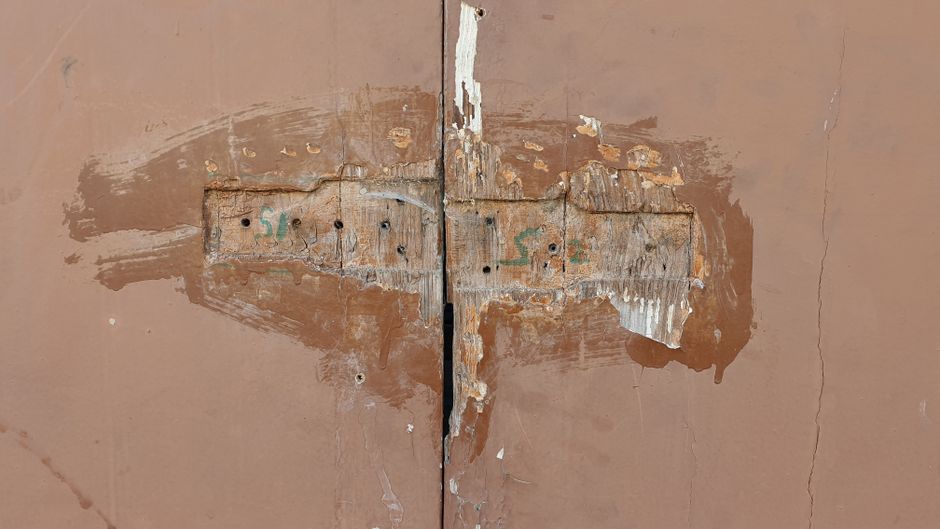
Reconstituted wood is durable when properly used, but several common problems can emerge if you don't understand its limitations. Knowing what to watch for helps you prevent expensive failures and maintain your projects in good condition.
The most frequent problem is moisture damage. Reconstituted wood absorbs water readily, causing swelling, warping, and delamination. Even minor moisture exposure—like steam from a kitchen or condensation in a bathroom—can cause problems over time. The edges are particularly vulnerable because they lack the sealed surface of the main faces.
Prevention strategy: Keep reconstituted wood away from direct moisture. In kitchens and bathrooms, use moisture-resistant (MR) grades specifically. Ensure edge banding is properly sealed. Apply water-resistant topcoats in areas prone to splashing. Maintain good ventilation to control humidity. In basements or damp environments, consider alternatives like solid wood or metal.
Sagging under load is another common issue, especially with particle board shelving. Standard particle board has limited load-bearing capacity, and it will deflect (sag) more than solid wood under the same weight.
Prevention strategy: Match material to load. Light decorative shelves can use particle board; heavy book collections need MDF or OSB. Reduce shelf spans—shorter shelves sag less. Add supports or brackets to prevent excessive deflection. Check deflection ratings when purchasing and plan your layout accordingly.
Surface damage like dents and scratches is more visible on reconstituted wood than solid timber because the material is uniform throughout—you can't sand out damage easily without exposing the core.
Prevention strategy: Apply protective finishes that are hard-wearing. Use edge protection and corner guards on furniture. Avoid dragging heavy items across surfaces. Use felt pads under furniture legs to prevent marking.
Delamination—where veneers or edge banding separate—occurs when adhesives fail, usually due to moisture, heat, or poor application.
Prevention strategy: Use quality adhesives and proper application techniques. Ensure good ventilation to prevent moisture accumulation. Avoid exposing edges to direct heat sources. When veneering, follow manufacturer instructions carefully.
Formaldehyde off-gassing is less common with modern UK products but remains a concern with some imports. This can cause odours and indoor air quality issues.
Prevention strategy: Buy from reputable suppliers and check for E0 or E1 certification. Ensure proper ventilation in rooms with new reconstituted wood products. Allow adequate off-gassing time before occupying spaces, particularly in bedrooms.
Finally, fastener pull-through happens when screws or nails loosen because reconstituted wood doesn't grip fasteners as firmly as solid wood. Use larger-diameter, specialist fasteners designed for reconstituted wood, and consider adhesives alongside mechanical fastening for critical joints.
