The success of any reconstituted wood project depends heavily on how you finish it. Unlike solid timber, reconstituted wood has a uniform, non-porous surface that requires specific preparation and products to achieve professional results.
Preparation is critical. Start by sanding the surface smooth using 180–220 grit sandpaper. This opens the surface slightly and removes any dust or imperfections. For MDF especially, sand gently to avoid damaging the dense core. Always sand in the direction of the grain pattern (even if artificial) and wear a dust mask—MDF dust is fine and easily inhaled.
After sanding, seal the surface before painting or staining. Reconstituted wood is thirsty and will absorb primer unevenly, leading to patchy finishes. Use a quality wood primer or sealer—products specifically designed for MDF and particle board work best. Apply two thin coats rather than one thick coat, allowing proper drying between applications.
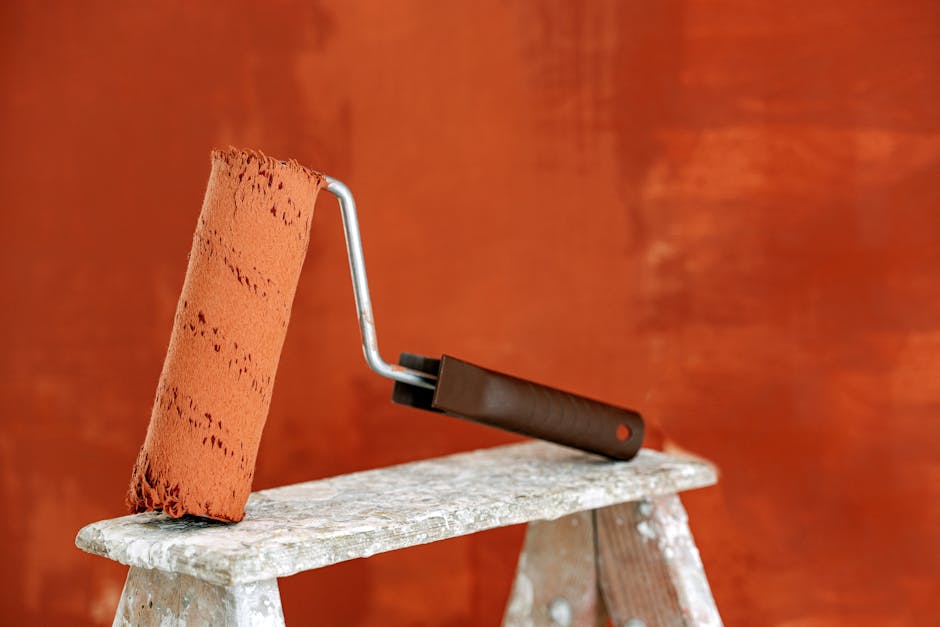
For painting, use a quality acrylic or oil-based paint suitable for wood. Acrylic is lower-odour and quick-drying; oil-based offers superior durability and depth. Apply paint in thin, even coats using a foam roller or brush designed for smooth finishes. Two to three coats typically provide good coverage. High-gloss finishes show imperfections, so satin or matt finishes are often more forgiving on reconstituted wood.
Staining is trickier on reconstituted wood because the material doesn't absorb stain evenly like solid wood. Water-based stains are safer and easier to control. Apply conditioner first to promote even absorption, then apply stain in thin coats. Test on a scrap piece first—results can be unpredictable.
For a more sophisticated finish, consider veneering. Veneer—a thin layer of real wood or decorative material—is glued to the reconstituted wood surface, creating the appearance of solid timber. Self-adhesive veneers are available for DIY projects, though professional application yields better results. Veneered pieces look and feel premium and can significantly increase perceived value.
Edge banding is essential for visible edges. Bare particle board or MDF edges look cheap and absorb moisture. Apply matching edge banding tape (available in various wood tones) or solid wood edge trim. Heat-activated tape is easiest for DIY work; just apply with a domestic iron.
Finally, protect your finished product with appropriate topcoats. Polyurethane varnish or lacquer provides durability and water resistance. Use water-based products indoors for lower odour. Allow proper curing time—typically 24–48 hours—before heavy use.
